

⏱️ 12 min read · Case Study · Pantry-to-Plate · Weight Loss 2026
Meet Maya and Daniel Okafor: Ten Years, Eleven Diets, Zero Lasting Wins. If you have ever stood in front of a full fridge and still felt like there was “nothing to eat,” this story is for you. This is their review on PantryPilot, which solidified their weight loss and eating healthy goals. 🙋
They are a married couple in their late thirties. Maya is a nurse for kids, and she works long 12-hour shifts. Daniel runs a busy auto-parts warehouse. They have two children. They are tired. And by their own count, they had tried eleven different diets between them over ten years.
They failed every single one.
Not because they were lazy. Not because they lacked willpower. They failed because every plan they tried started in the wrong place. Here is the list of what they tried. It will probably feel very familiar to you. 👇
🥑 Key Takeaways (The Short Version)
- The problem: Most diets fail because they ask you to shop for a brand-new life. They ignore the food — and the kitchen — you already have.
- The shift: PantryPilot scans your fridge and pantry. Then it builds Mediterranean, DASH, Keto, or Low-Carb recipes from food you already own.
- The 2026 twist: A feature called Metabolic Phase Cycling changes your plan over time. This keeps the scale moving instead of getting stuck.
- The result for Maya and Daniel: They lost 31 pounds together in 16 weeks. They cut food waste by about 70%. And for the first time ever, they did not quit.
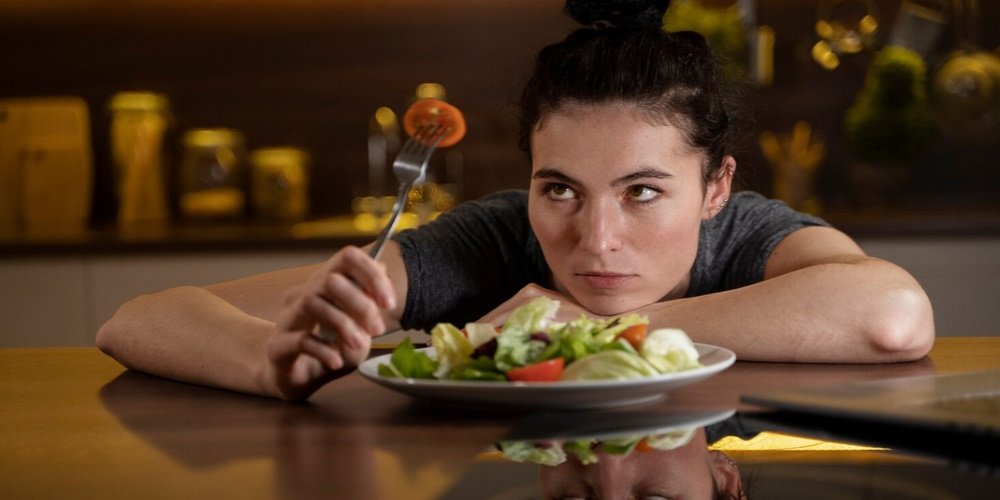
Their Diet Loss Failed Efforts
- 🥓 Keto (Daniel tried it twice). He lost 12 pounds the first time. Then he gained back 15. The second time, he quit at week three because, in his words, “I could not face another egg.”
- 🥗 Calorie counting apps (both of them). It worked for a month. Then they got tired of logging every bite. The app turned into a guilt machine.
- ⏱️ Intermittent fasting (Maya tried it). It clashed badly with her night shifts. It left her dizzy at work, which is dangerous for a nurse.
- 🧃 A juice cleanse (both, very briefly). It was costly. It was miserable. It was gone in five days.
- 📦 A meal-kit delivery box (both). The food was tasty. But it cost $260 a week. And the boxes piled up faster than they could cook them.
Sound exhausting? It was. Now look closely at the list. There is one thing every single plan had in common.
Every one of them started by asking Maya and Daniel to buy something new. New foods. New boxes. New rules. Meanwhile, the food they already owned sat in the fridge and slowly went bad in the drawer at the bottom.
💬 Maya said it best:
“Our fridge was full, and our diet plan still told us to go to the store. We spent money on groceries we never cooked. Then we spent money on diet food on top of that. Something was deeply broken.”
By early 2026, they were ready to give up on the whole idea of dieting. Then a friend told them about an app that did not start with a shopping list. It started with a photo of your fridge. 📸
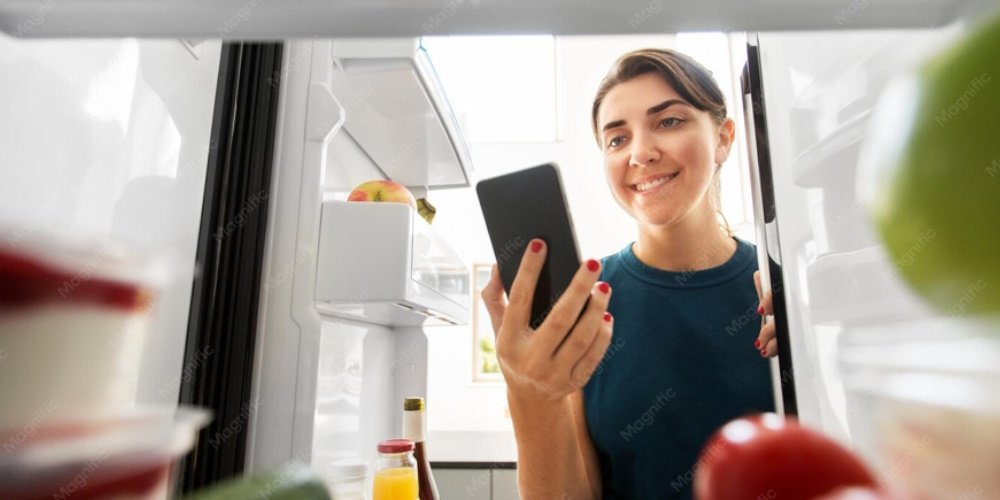
The first question PantryPilot asks is not “what should you buy?” It is “what do you already have?”
🤖 So What Is PantryPilot? (Plain and Simple)
Here is the simple answer. PantryPilot is a weight-loss app that looks at the food in your fridge and pantry. Then it builds recipes and a meal plan around the diet you pick — like Mediterranean, DASH, Keto, or Low-Carb.
Let me explain two of those diet names quickly, with no fancy jargon:
- Mediterranean 🫒 — A way of eating built around vegetables, olive oil, fish, beans, and whole grains. It is one of the most studied healthy diets in the world. Read The Review Here
- DASH ❤️ — This stands for “Dietary Approaches to Stop Hypertension.” In plain words, it is an eating plan that is low in salt and good for your blood pressure and heart.
So instead of handing you a one-size-fits-all plan and a long grocery list, PantryPilot works backward from your real kitchen. It puts food that is about to go bad at the top. And it only tells you to buy something when one small item unlocks a great meal.
Then comes the part that makes this a truly new idea for 2026. It is called Metabolic Phase Cycling. It changes your plan over time so your body never gets “stuck.” We will get to that soon. But first, let’s see what happened the night Maya and Daniel first opened the app.
📸 Day 1: Scanning a “Nothing to Eat” Fridge
It was a Sunday night. Maya pointed her phone at the open fridge and at a couple of pantry shelves. In about 20 seconds, PantryPilot gave back a neat list of 17 ingredients. Right away, it flagged two items that needed to be cooked now, before they spoiled.
Here is what the app saw. Think of this as your fridge, sorted by “what to cook first.” 👇
- 🥬 Baby spinach → Status: Use today! → Action: Put in recipes first
- 🍅 Cherry tomatoes → Status: 1 day left → Action: Pair with the spinach
- 🍗 Rotisserie chicken → Status: 3 days → Action: Main protein
- 🥚 Eggs (9 of them) → Status: 2 weeks → Action: Flexible filler
- 🫘 Chickpeas (canned) → Status: Shelf-stable → Action: Healthy carb base
- 🧀 Feta cheese → Status: 9 days → Action: Mediterranean flavor
- 🍠 Sweet potato → Status: 1 week → Action: Carb (depends on phase)
- 🫒 Olive oil, garlic, lemon → Status: Shelf-stable → Action: Flavor backbone
Maya picked Mediterranean as her diet. The app’s quick quiz had suggested it for her. Daniel picked Keto, the one diet that had ever given him fast results.
Then came the moment that made them both sit up straight. The app gave each of them different recipes — from the exact same fridge. 🤯
One shared set of ingredients. Two different diets. Zero items to buy. Maya got a Lemon-Garlic Chicken with spinach and feta. Daniel got that same chicken, but rebuilt for Keto — it skipped the sweet potato and added more olive oil and egg. Same kitchen. Same night. Two on-plan dinners. 🍽️
The Three Recipe Tiers (Why This Saves Money)
Every scan sorts your recipe ideas into three groups. This is a big reason the app cuts both stress and grocery spending.
- 🟢 Cook-Now Tier — Recipes that use only what you already own. No store trip needed.
- 🟡 One-Item-Away Tier — Meals you can make by grabbing just one thing (like fresh parsley).
- 🔵 Worth-a-Shop Tier — A few dream recipes that need a short list. These show up last, never first.
🆚 Why This Is Truly Different From Every Diet They Tried
It is easy to think PantryPilot is “just another recipe app.” It is not. The big difference comes down to two things: where the plan starts, and how it changes over time.
Here is the old way next to the new way. 👇
- Where it starts: Old way → a fixed plan and a shopping list. 🧊 PantryPilot → the food you already own.
- Food waste: Old way → often goes up. 🧊 PantryPilot → goes down (cooks old food first).
- Cost to start: Old way → a full grocery haul. 🧊 PantryPilot → $0 — cook tonight.
- Switching diets: Old way → one diet at a time. 🧊 PantryPilot → switch in one tap.
- Two diets, one home: Old way → two separate plans. 🧊 PantryPilot → one fridge, both diets.
- Hitting a plateau: Old way → “eat less, try harder.” 🧊 PantryPilot → Metabolic Phase Cycling.
- Decision fatigue: Old way → high (too many choices). 🧊 PantryPilot → low (ranked, simple meals).
For Maya and Daniel, the row that mattered most on day one was cost to start. Every diet before had a wall between deciding to start and actually starting. A shopping trip. A box in the mail. A new subscription. PantryPilot knocked that wall down. They started cooking the very night they downloaded it. 🍳
🔄 The Big 2026 Breakthrough: Metabolic Phase Cycling
Here is something most diets never tell you. Your body gets used to whatever you do over and over. That is why the scale drops fast in week two, then grinds to a stop by week six. This “stuck” point is called a plateau.
The old advice is to “just eat even less.” But that usually backfires. It drains your energy and triggers the binge-and-quit cycle that Maya and Daniel knew far too well.
PantryPilot’s answer is simple: never let your body fully settle. Metabolic Phase Cycling rotates your plan through four phases. And each phase is re-matched to the food in your kitchen. Here are the four phases in plain words. 👇
- 🌱 Phase 1 — Prime (about 7 days): A gentle, veggie-heavy start. It reads your baseline and banks some easy early wins.
- 🔥 Phase 2 — Deplete (10 to 14 days): Lower carbs and more protein. This breaks the first plateau — without a crash diet.
- 🍝 Phase 3 — Refeed (5 to 7 days): A Mediterranean-style reset. It brings your energy back and keeps your body guessing.
- ⚓ Phase 4 — Anchor (ongoing): Locks in 3 or 4 favorite meals as habits, so the new way of eating sticks for good.
The phases do not switch on a fixed calendar. They switch based on your data. When your weight trend and your habits say you are ready, the app moves you to the next phase. This one feature is what Daniel credits with breaking the plateau that had ended every other attempt.
“Every other diet, week six was where I quit. The scale stopped and I felt like a failure. PantryPilot changed the game on me at week five. New targets, new recipes from the same fridge. I did not even have time to get discouraged.”
📊 The Results: 16 Weeks, By the Numbers
Let’s be honest and clear first. This is one couple’s story. Results are different for everyone. And this is not a medical study. With that said, here is what Maya and Daniel reported over 16 weeks.
🟢 Daniel — lost 19 lbs (Keto, cycled) 🔴 Maya — lost 12 lbs (Mediterranean) 🟡 Colored bands = phase changes
Look at what the lines do not do. They do not go flat. On their old diets, both lines would have gone flat around week six. Here, each phase change tips the line back down again. That is Metabolic Phase Cycling doing its job. 📈
🔴 Before PantryPilot and 🟢 After PantryPilot
Cutting waste was not just satisfying. It saved real money. By cooking the food they already bought, the Okafors guessed they cut their grocery bill by about $95 a month. That was more than the cost of the app. A diet that pays for itself was a first for them. 💸
- Maya: Lost 12 lbs · Mediterranean · 1 plateau broken · Still going strong ✅
- Daniel: Lost 19 lbs · Keto (cycled) · 2 plateaus broken · Still going strong ✅
- Together: Lost 31 lbs · Food waste down ~70% · Saved ~$95/month · Active at week 16+ 🎉
🗓️ The 16-Week Journey, Week by Week
Numbers tell you what happened. The week-by-week story tells you why it stuck this time. Here is how the four months really felt.
Weeks 1–2 · Prime Phase: “Wait, We Can Just Cook?”
The first surprise was not weight loss. It was how easy starting felt. There was no giant Sunday shopping trip. No $200 receipt. No cleaning out the fridge. They scanned what they had, and they cooked it.
Maya later said the missing “Day Zero” was the whole point. “Every other diet had a big, costly Day Zero,” she said. “This one just had dinner.” By the end of week two, Daniel was down 5 pounds and Maya was down 4. More important, neither one had thought about quitting.
Weeks 3–6 · Deplete Phase: The Plateau That Never Came
This is the spot where things always fell apart before. On his first Keto try, Daniel had gotten stuck at week five and quit a week later. This time was different.
As his weight loss started to slow, the app quietly moved him into the Deplete phase. That meant lower carbs, more protein, and a fresh set of recipes built from the same shelves. The sweet potato that fit Maya’s plan dropped out of Daniel’s list. Eggs, chicken, and olive oil moved up. He never hit the wall — because the wall kept moving. 🧱➡️
Maya, on a steadier path, used this time to lock in her favorite lunch: the chickpea, feta, and tomato bowl. She would go on to eat it dozens of times.
Weeks 7–10 · Refeed Phase: Energy Back, Scale Still Moving
By week seven, both of them felt the low-energy fog that long diets cause. An old plan would have said “push harder.” PantryPilot did the opposite. It started a Refeed — a short reset with slightly more healthy carbs, made to stop the body from slowing down.
Daniel was unsure at first. “A diet telling me to eat more?” But his weight kept dropping, and his gym workouts stopped feeling like a battle. Eating a bit more, on purpose, at the right time, is exactly what most willpower diets miss. 💪
Weeks 11–16 · Anchor Phase: Building a Habit, Not a Streak
The last stretch was less about fast loss and more about making it permanent. In the Anchor phase, PantryPilot leaned on the three or four meals each person cooked the most. It turned them into go-to defaults.
Maya’s mornings ran on autopilot: make coffee, then plate tomorrow’s lunch. The app had suggested that tiny habit back in week four. Daniel had four dinners he could make half-asleep after a warehouse shift. They were not white-knuckling a streak. They had simply changed what cooking looked like in their home. 🏡
“The difference is, I am not ‘on a diet’ anymore. I just cook differently now. Ask me in a year, and I think this is still how we will eat. That has never been true before.”
🔬 The Science Behind Starting With Your Pantry
Why does flipping the starting point matter so much? It comes down to three big reasons diets fail. PantryPilot is built to fight all three.
- The “deciding vs. doing” gap. Every extra step between deciding to act and actually acting makes you less likely to follow through. A shopping trip is a big step. By starting with food you already own, the app shrinks that gap to almost nothing. You can act right away.
- Decision fatigue. This is the tired, worn-out feeling you get from making too many choices. Asking “what’s for dinner?” three times a day, every day, wears people down. By giving you a short list of meals you can already make, PantryPilot shrinks that choice to a single tap.
- Metabolic adaptation. That is the science word for your body getting used to your routine. It is the engine behind every plateau. Changing your intake on purpose — the core idea of Phase Cycling — is a smart way to keep that “getting used to it” from stopping your progress.
None of these ideas is brand new on its own. What is new in 2026 is wiring them all together into one system that starts with a photo of your fridge. That mix — pantry-smart, diet-flexible, and phase-cycled — is something Maya and Daniel had never seen in any of their eleven past tries.
For ten years, Maya and Daniel believed their problem was discipline. The pantry-to-plate idea offered a different reason: their real problem was friction (how hard it is to start) and rigidity (a plan that never bends). Remove the friction. Remove the rigidity. And the “discipline problem” mostly melts away.
⚖️ Pros and Cons: An Honest Look
No tool is perfect. Pretending otherwise would not be fair to you. Here is a balanced view, based on the Okafors’ experience and how the app is built.
👍 Pros
- ✅ Starts free with food you already own. No wall stopping you from beginning.
- ✅ Cuts food waste and lowers your grocery bill.
- ✅ Switch diets (Mediterranean, DASH, Keto) in one tap.
- ✅ Household mode plans two diets from one fridge.
- ✅ Phase Cycling is built to break plateaus, not power through them.
- ✅ Less stress, thanks to short, ranked, repeatable meals.
👎 Cons and Things to Know
- ⚠️ The photo scan is not perfect. Odd items sometimes need a quick manual fix.
- ⚠️ You get the best results if your kitchen is fairly well stocked to start.
- ⚠️ Phase Cycling asks you to trust the plan changing on you.
- ⚠️ It is not a medical program. People with health conditions need a doctor too.
- ⚠️ The free plan limits scans. Heavy use needs a paid plan.
🎯 Who Is PantryPilot Best For?
Based on this story and how the app works, the pantry-to-plate idea fits some people much better than others.
- ✅ Serial diet-quitters who are tired of starting over with a shopping list each time.
- ✅ Busy homes where two people want different diets but share one kitchen.
- ✅ Anyone who hates wasting food and wants their groceries to actually get cooked.
- ✅ People who lose weight fast, then get stuck and give up.
- ⚠️ Less ideal for people who eat out for almost every meal. Also less ideal for those who need doctor-supervised nutrition — they should use it alongside professional help.
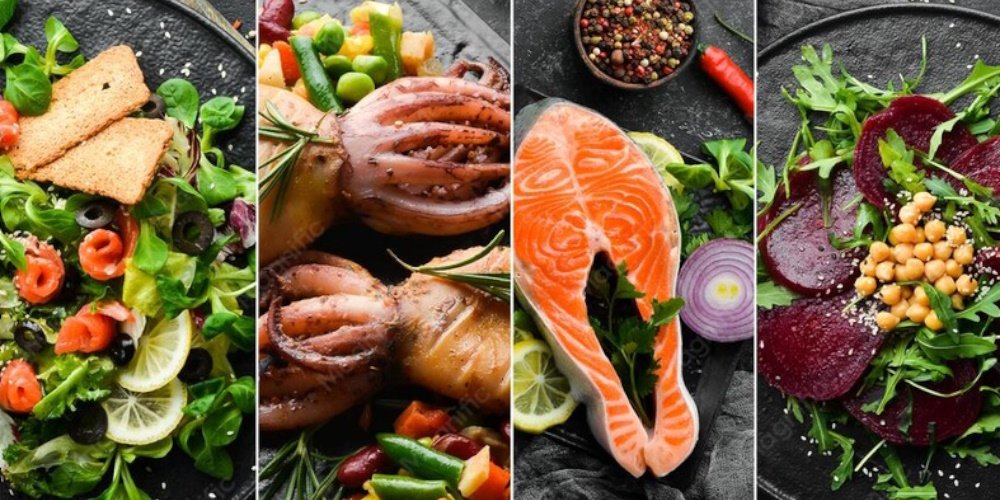
The Okafors’ real change was not a new grocery list. It was learning to cook the food they already had, on purpose.
🚀 How to Try the Pantry-to-Plate Idea Yourself
If Maya and Daniel’s story sounds like your last ten years, the good news is you can test the core idea in under five minutes.
- 📸 Scan your kitchen. Snap a photo of your fridge and a pantry shelf. Or just type in what you have.
- 🥗 Pick a diet. Choose Mediterranean, DASH, Keto, or Low-Carb. Or take the quick match quiz.
- 🍳 Cook the top “cook-now” recipe tonight. No store trip required.
- 🔄 Let it shift. Log your weight, and let the app change your plan over the weeks.
🧊 Open the Fridge. We’ll Do the Rest.
Scan your kitchen in 60 seconds. Pick your diet. Cook tonight from what you already own.
❓ Frequently Asked Questions
What is PantryPilot in one sentence?
PantryPilot is a weight-loss app that scans the food in your fridge and pantry, then builds recipes and a meal plan around the diet you pick — like Mediterranean, DASH, or Keto — and changes that plan over time with Metabolic Phase Cycling.
How is this different from a normal recipe app?
A normal app starts with a plan and gives you a shopping list. PantryPilot starts with what you already own. It ranks recipes you can cook right now. It cooks down food that is about to spoil first. And it only tells you to buy something when one item unlocks a meal. It also cycles your plan to stop plateaus, which recipe apps do not do.
Can my partner and I use different diets on one account?
Yes. Household mode supports more than one person. It plans two different diets from one shared fridge and one shopping trip. For example, one partner can do Keto while the other does DASH, just like in this story.
What is Metabolic Phase Cycling, in plain words?
It is a system of four eating phases — Prime, Deplete, Refeed, and Anchor. Your eating targets shift between them based on your weight trend and your habits, not a fixed calendar. Each phase is matched to the food in your kitchen. The goal is to break plateaus without crash dieting.
Will PantryPilot really save me money?
Many people, including the Okafors, report lower grocery bills. That is because they cook what they buy instead of letting it go bad. In this story, they guessed they saved about $95 a month, which was more than the cost of the app. But this is different for every home.
Is PantryPilot medical advice?
No. It gives you education and structure, not a diagnosis or treatment. If you have a health condition, are pregnant, or take medicine, please talk to a doctor before starting any diet. The Household plan can also build around medical needs with your doctor’s help.
How good is the fridge photo scan?
It is strong with common groceries and packaged items that have barcodes. But it is not perfect. Unusual or hidden items sometimes need a quick fix. You can always add, remove, or correct items by voice or by typing.
📝 Final Word
Maya and Daniel did not need more willpower. They needed a plan that started where they actually lived — in their own kitchen, with their own food. The pantry-to-plate idea met them there. It removed the wall that stopped them from starting. And Phase Cycling kept them moving when they would have quit before.
Their story is not magic, and it is not a promise. But it does point to something real: the best diet might not be the one you shop for. It might be the one you can cook tonight, from what you already have. 🥗